Museum of African American History
Whose freedom did the Revolution promise?
1 / 5
- Place
- Boston and Nantucket, Massachusetts
- Client
- Museum of African American History, Boston and Nantucket
- What we did
- Planned ✓Designed ✓Built ✓Runs ✓
- Status
- Open since October 2025
Built: TimeLooper delivered fabrication and installation, directly or through fabricators we managed.
The place and its story
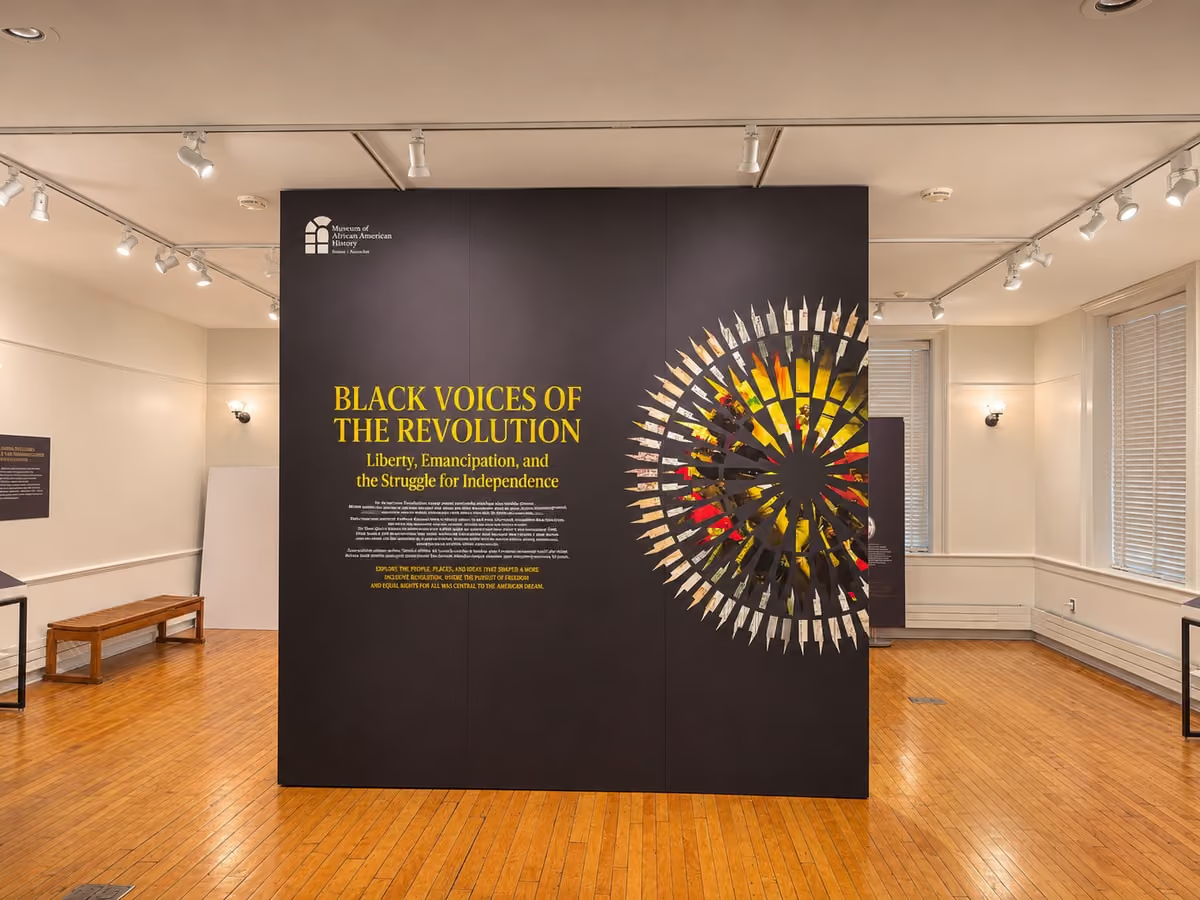
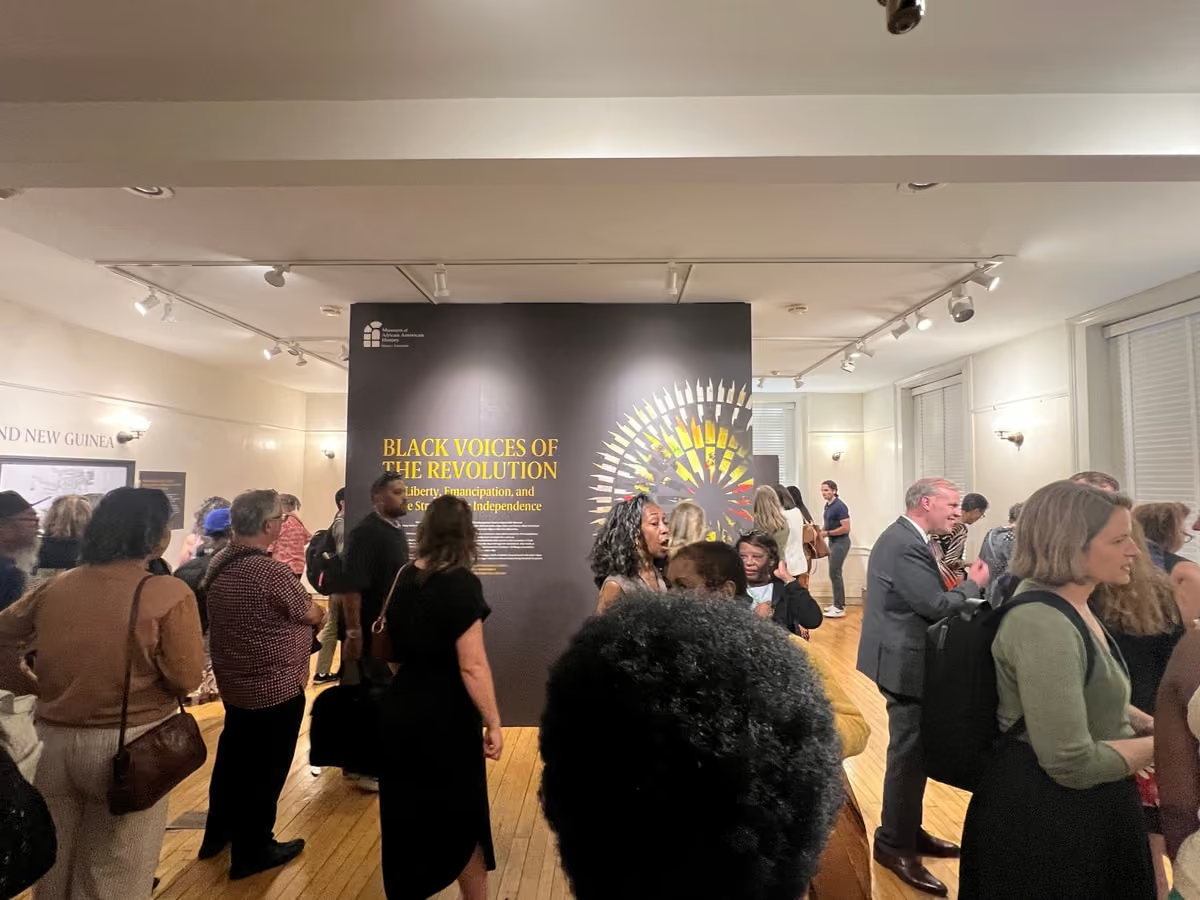
Black Voices of the Revolution is an exhibition of the Museum of African American History, which tells its stories in Boston and on Nantucket. It was the museum's first major exhibition under its CEO, Dr. Noelle Trent. It centers Black men and women in Massachusetts during the American Revolution.
The challenge
Many visitors arrive thinking they know the story of the Revolution, and Black voices are missing from it. The museum wanted to show those voices were central, not peripheral. It wanted to reach families, students and visitors from abroad. And it wanted a small, historic institution to create something extraordinary.
What we understood
Most visitors arrive with a Revolution whose promise was for everyone, and are surprised that this history feels new to them. It feels new because Black men and women were left out of the telling, not out of the war. For them the promise was not on offer, and what was on offer instead were hard, imperfect choices: a Patriot cause that spoke of liberty while holding people in bondage, or a Loyalist offer of freedom that might or might not be kept. Visitors understand that best through real voices and real documents, not invented characters, because the record shows how uncertain every path was.
The idea
Whose freedom did the Revolution promise?
So the exhibition lets the record speak. Visitors put their own questions to an archive of real documents, follow women who claimed their freedom, and see the neighborhoods where Black communities organized. Every answer comes from authenticated sources, and the museum's guidance on AI and data use is visible throughout.
Inside the experience
Meet
Ask the archive
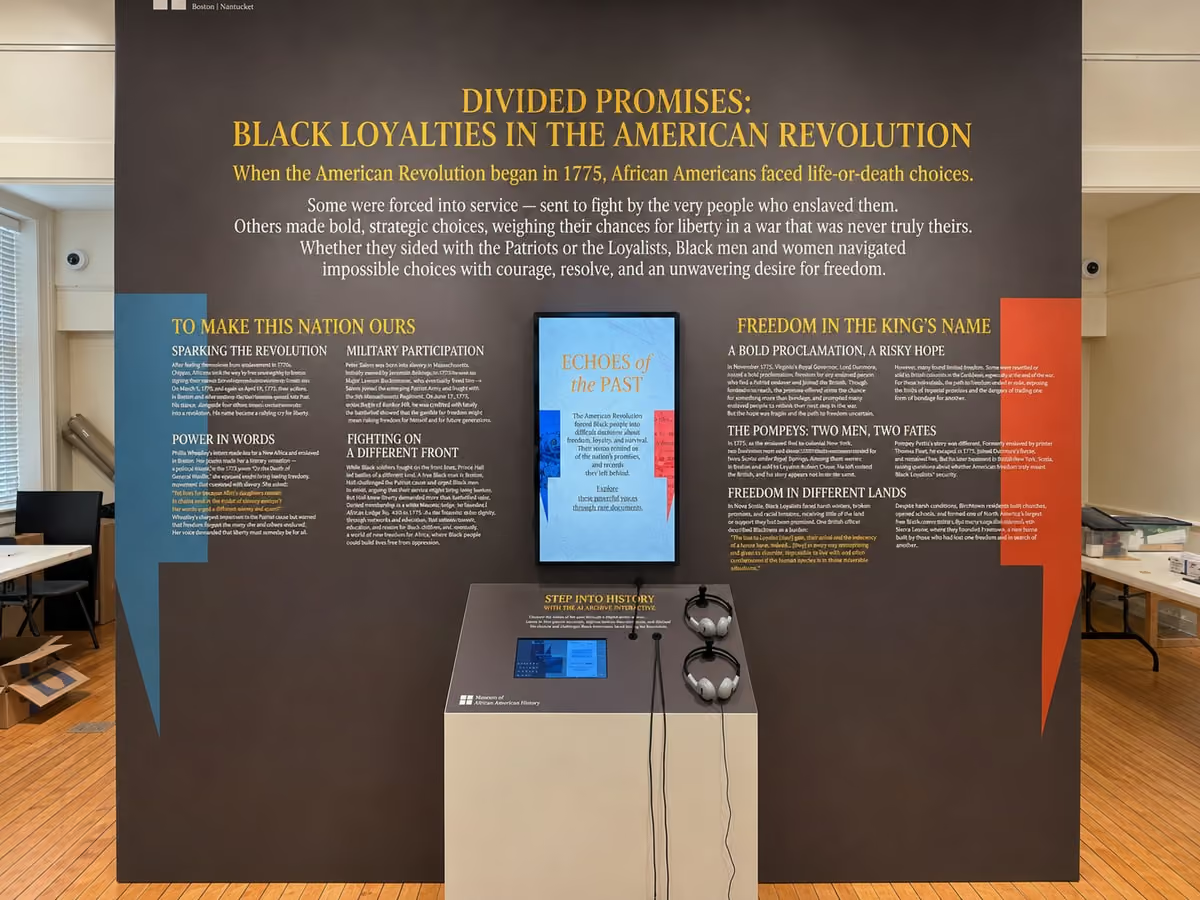
Visitors ask their own questions, by voice or on a touchscreen, about people such as Crispus Attucks, Peter Salem, Belinda Sutton and Prince Hall. As they explore, the relevant primary sources appear with explanations: proclamations, petitions, letters and records, shown as AI-driven holographic images. The answers are drawn only from these authenticated sources. This opens the museum’s deeper archives to visitors. They understand by seeing and reading what their own curiosity led them to.
Activate
Two promises of freedom
One path followed Patriots such as Peter Salem and Prince Hall into the Continental Army. Another followed Loyalists such as Pompey Fleet, drawn by Lord Dunmore's promise of freedom, some later to Nova Scotia and Sierra Leone. Set side by side, they show how strategic and uncertain each choice was.
Women who claimed freedom
An emotive section follows the lives of women including Elizabeth Freeman, known as Mum Bett, Belinda Sutton and Lucy Terry Prince. They navigated racial and gender oppression while seizing chances for freedom, property and a public voice.
Neighborhoods on the map
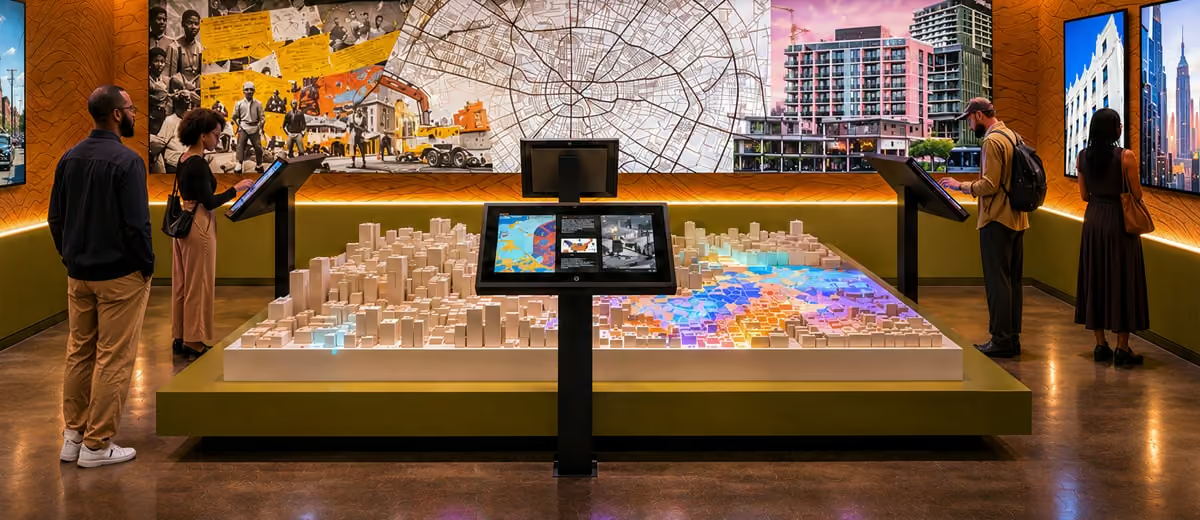
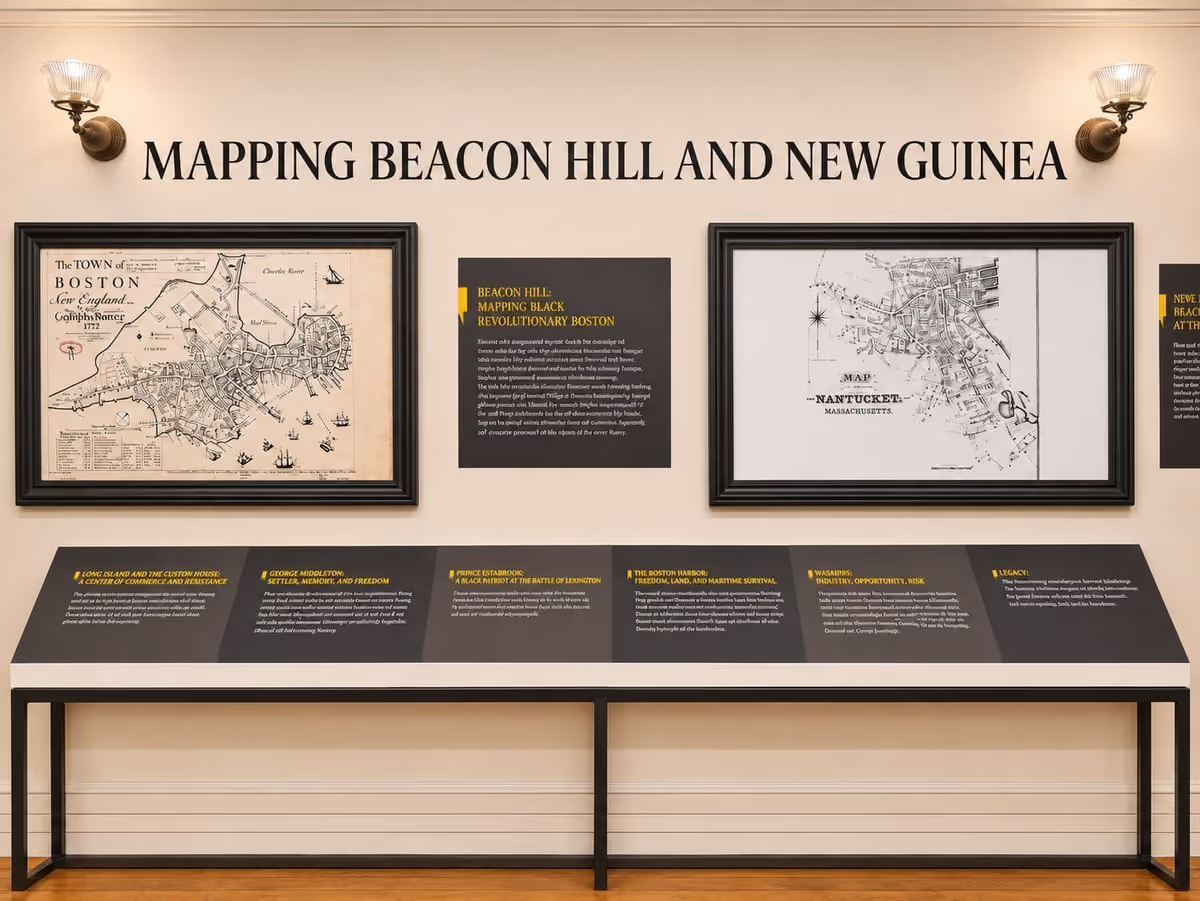
Large maps of Beacon Hill in Boston and New Guinea on Nantucket mark homes, churches, schools and meeting houses. Visitors see how these places became networks of activism, education and mutual aid.
The power of print
The exhibition closes with Black print culture: petitions, poems and published works by writers such as Phillis Wheatley. It ends with William Cooper Nell, who later used these Revolutionary lives to argue for Black citizenship.
More places like this
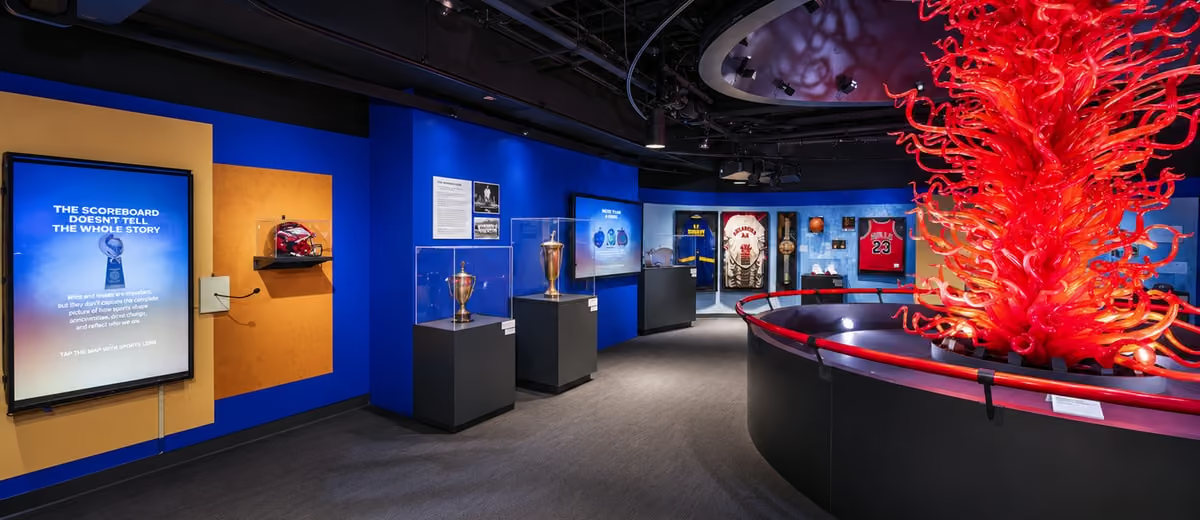
National Liberty Museum
Open since March 2026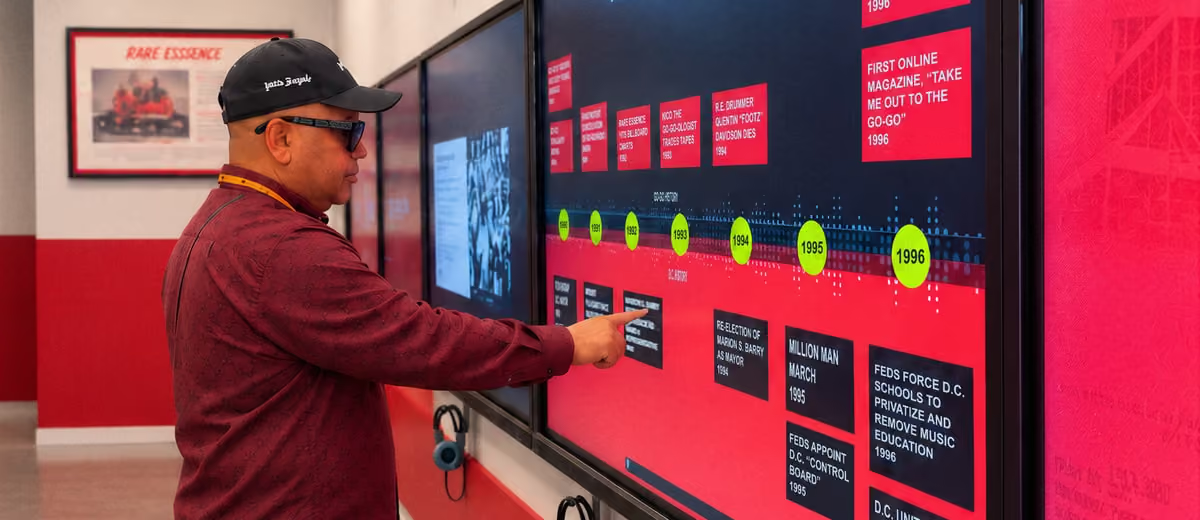
Go-Go Museum and Cafe
Open since February 2025