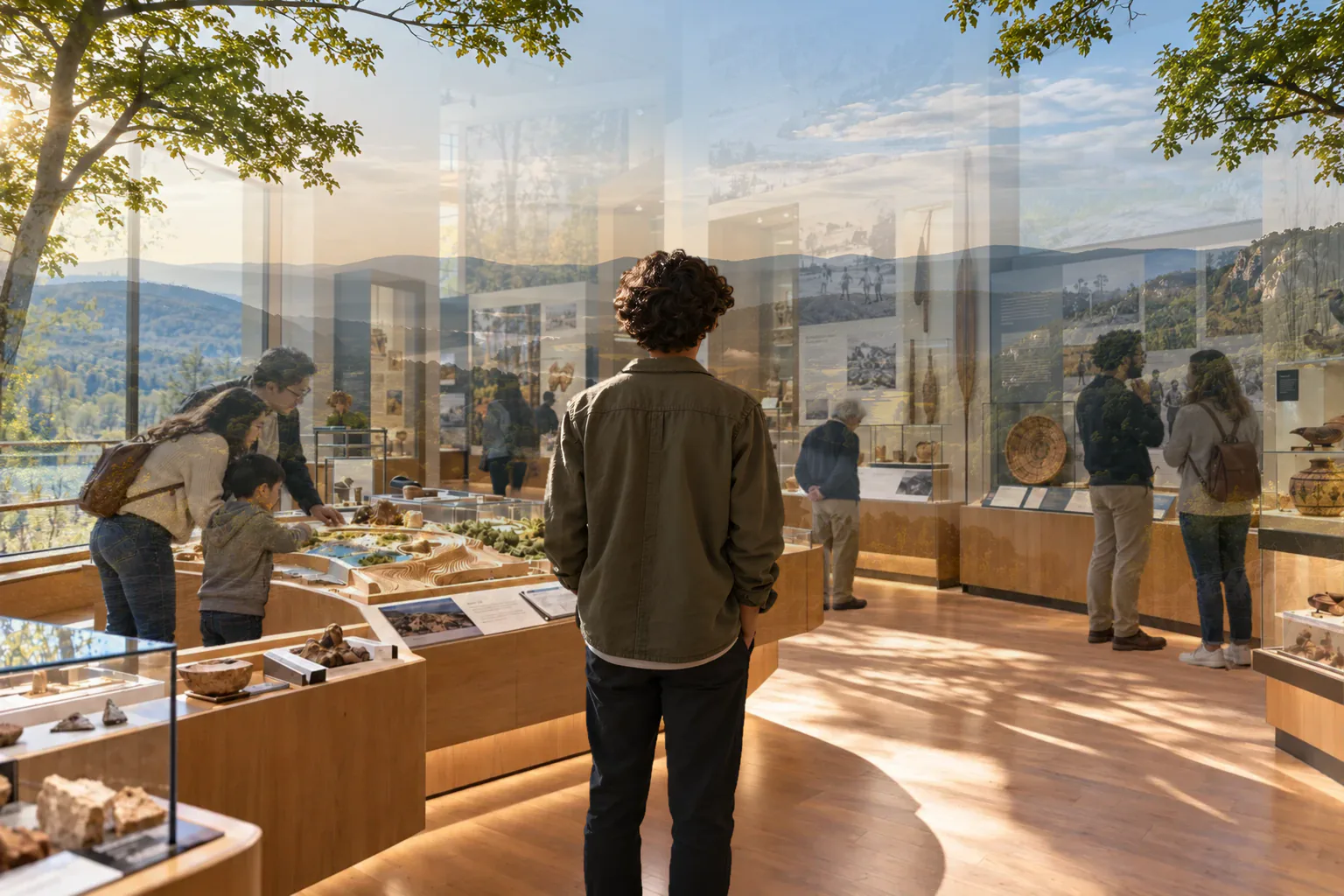
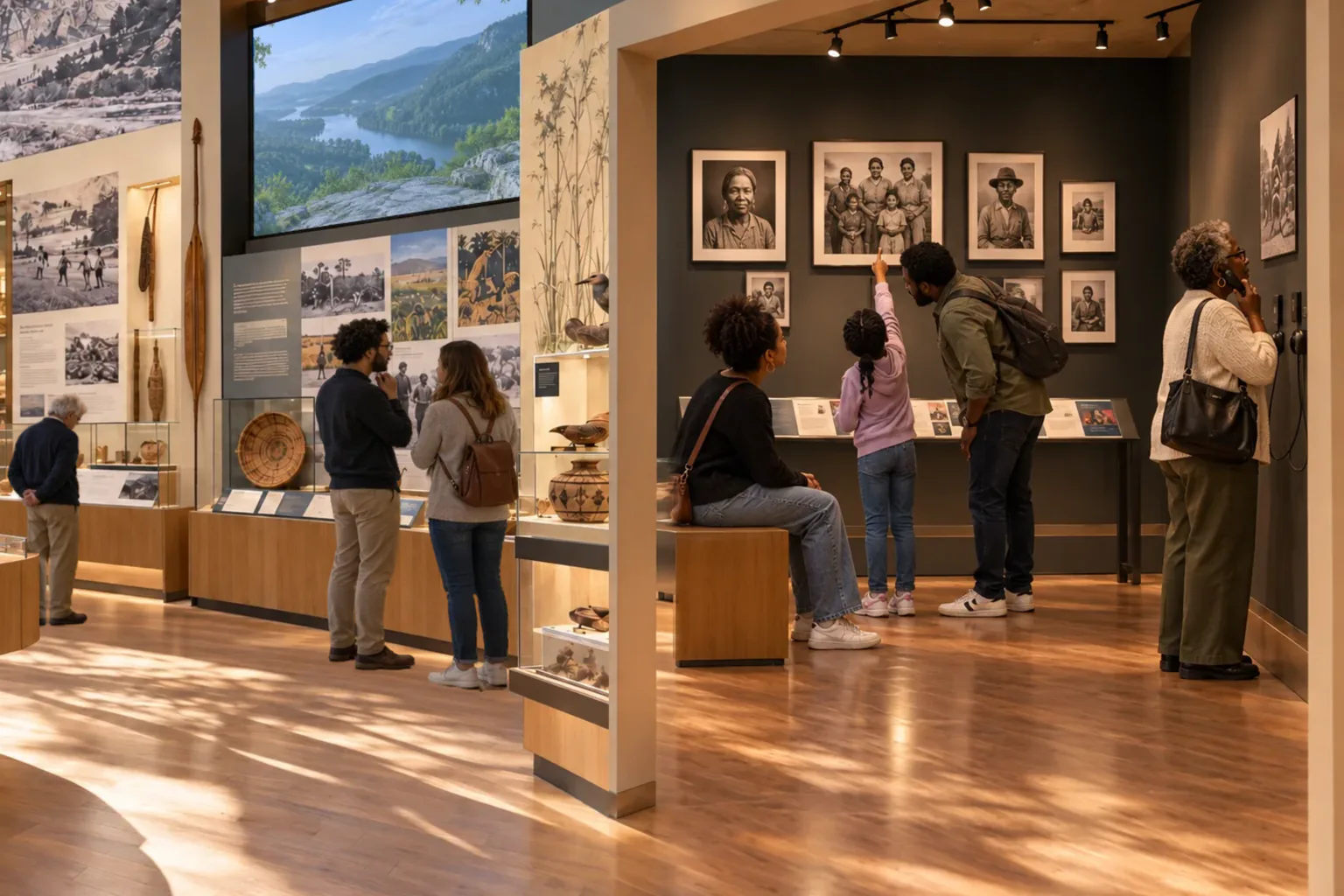
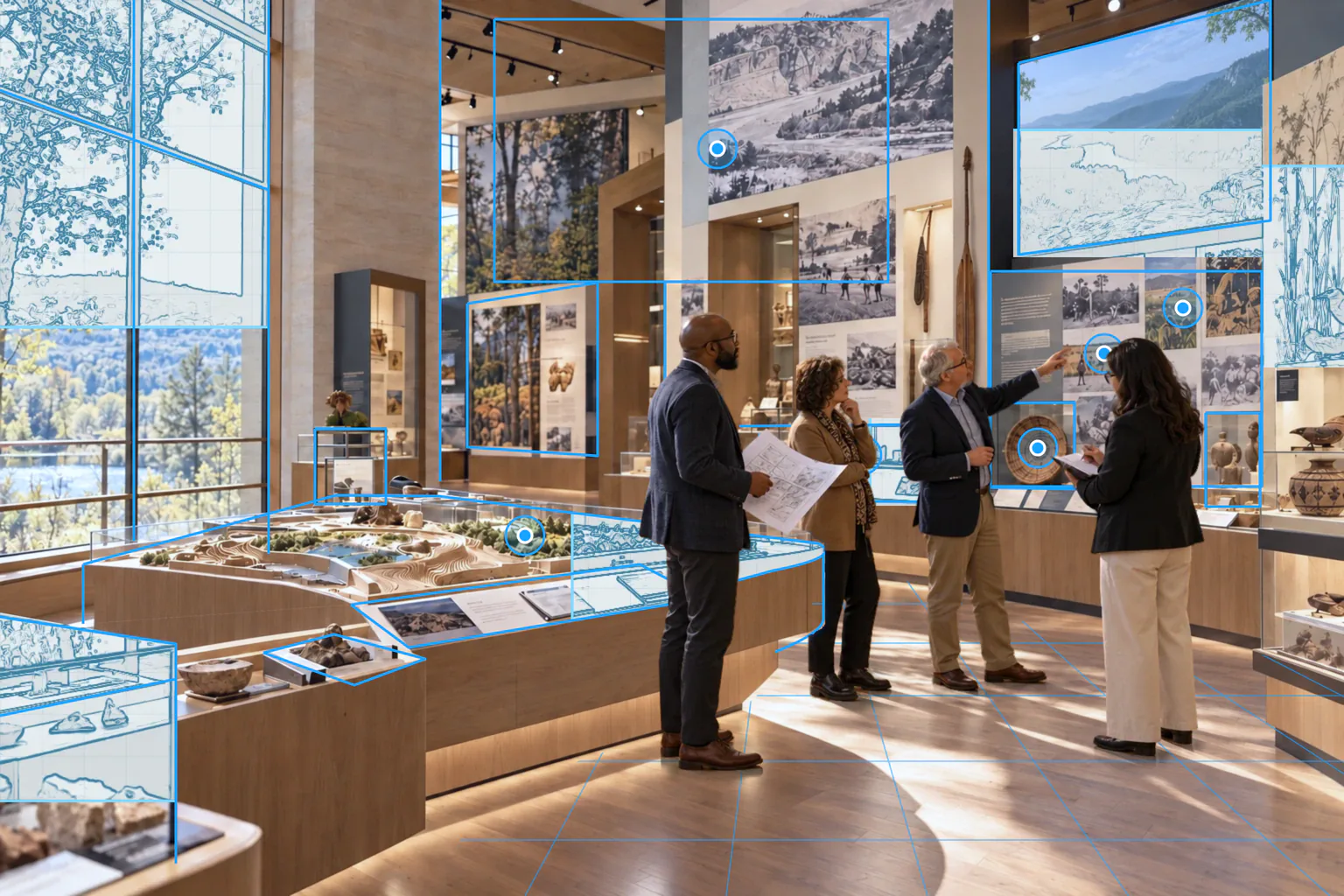
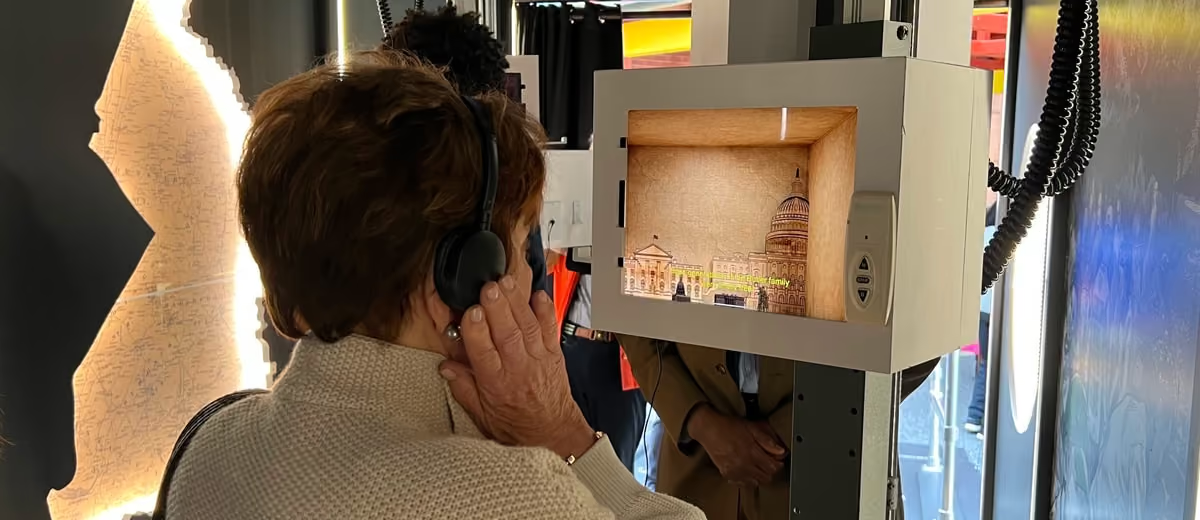
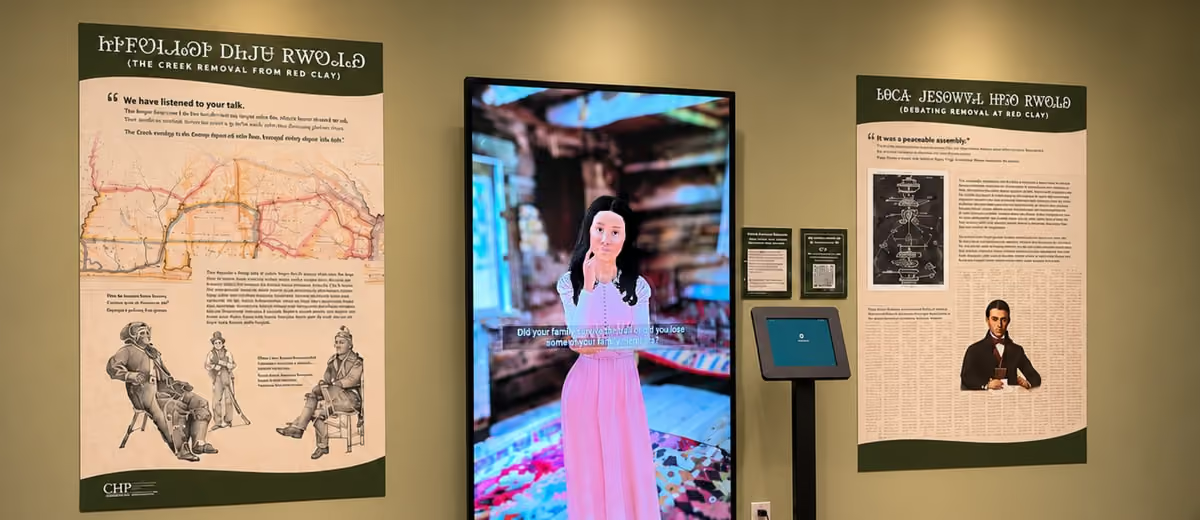
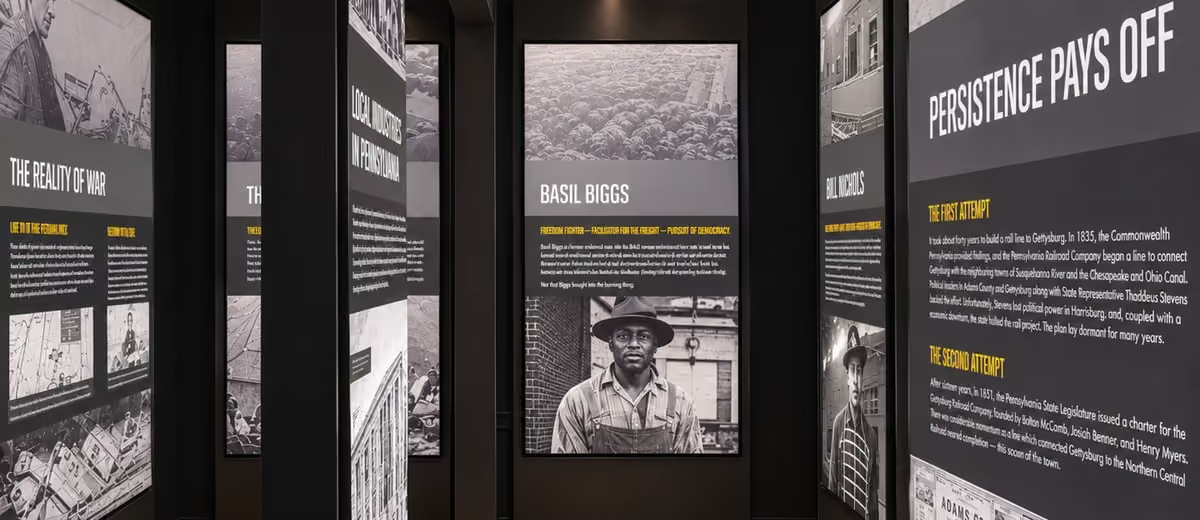
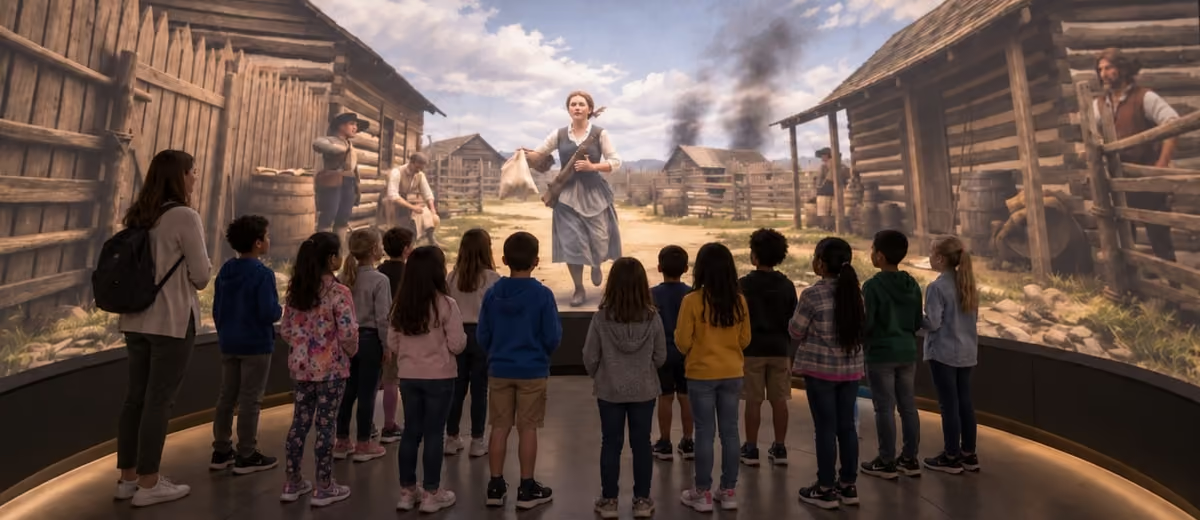
People bring different experiences, motivations and emotions into a museum.
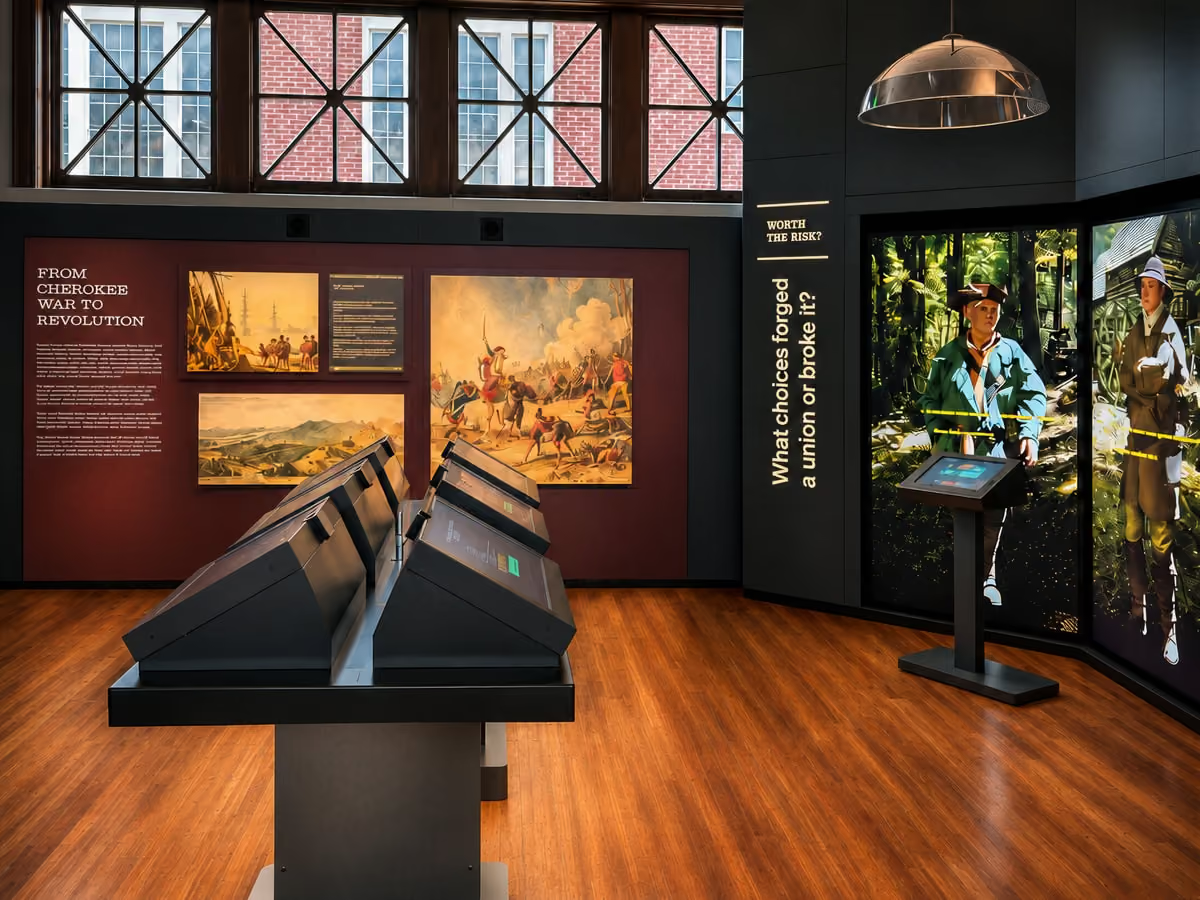
Cognitive science, psychology and behavioral science inform how we design for attention, curiosity, comprehension, memory and choice. We turn research on how people learn into decisions about what an exhibit asks them to notice, explore and do.
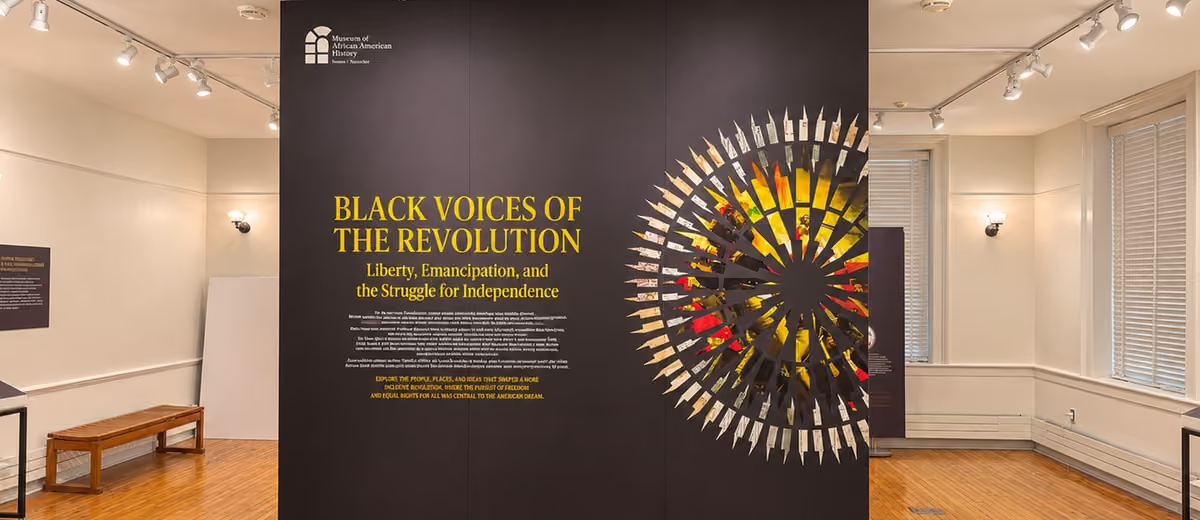
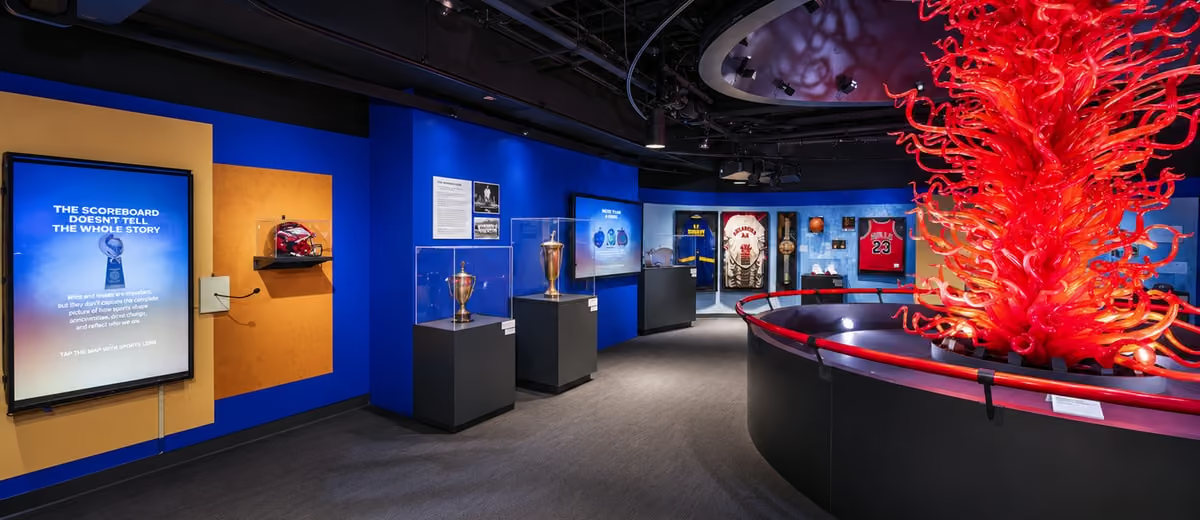
Attention is limited. We give each moment a clear focus and introduce detail in layers, so visitors can grasp the central idea before exploring more. Curiosity often begins with a gap between what someone knows and what they want to know. A visible clue or an open question gives them a reason to look closer.
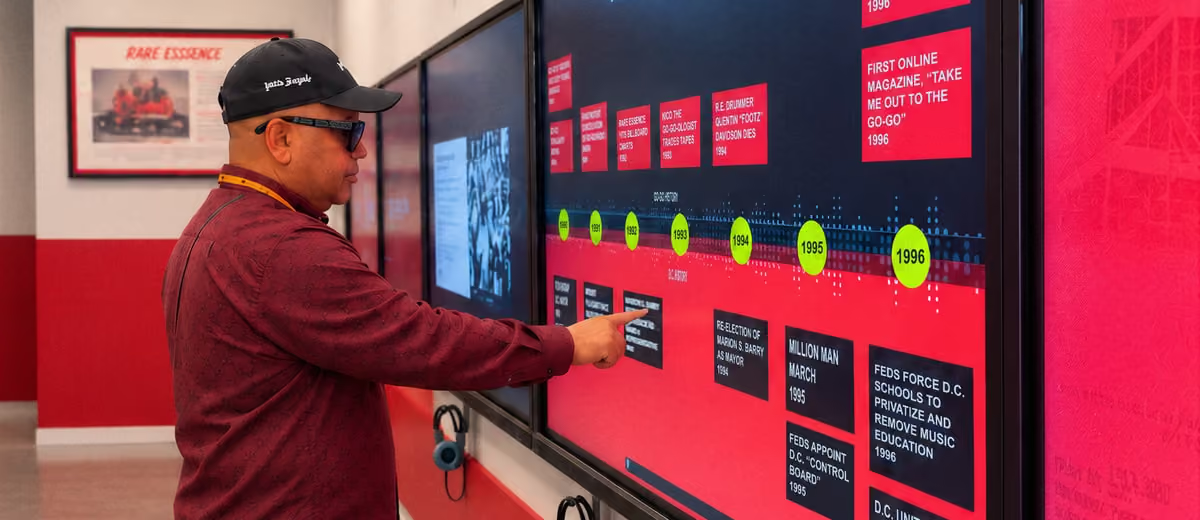
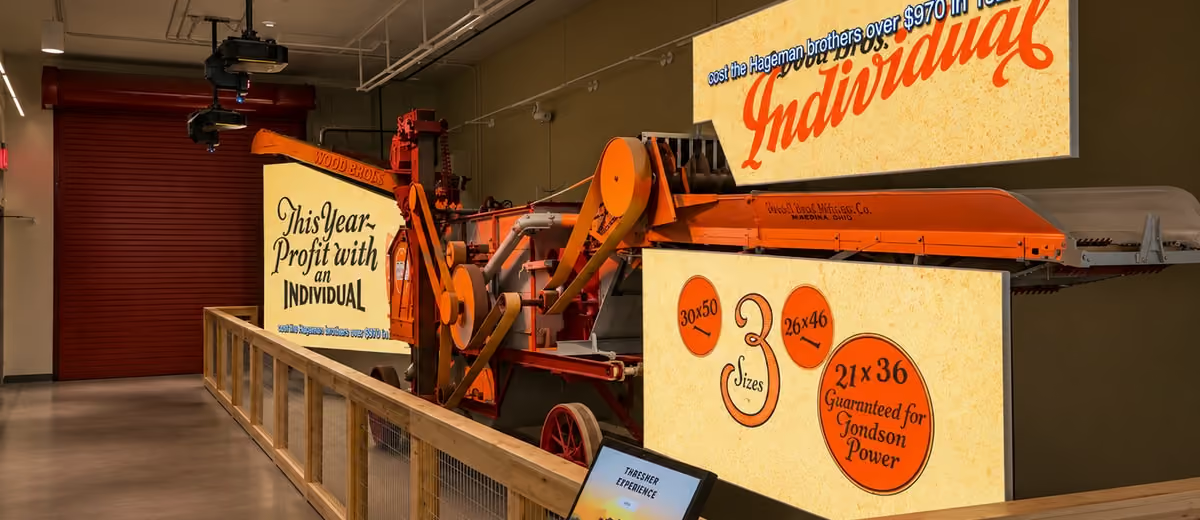
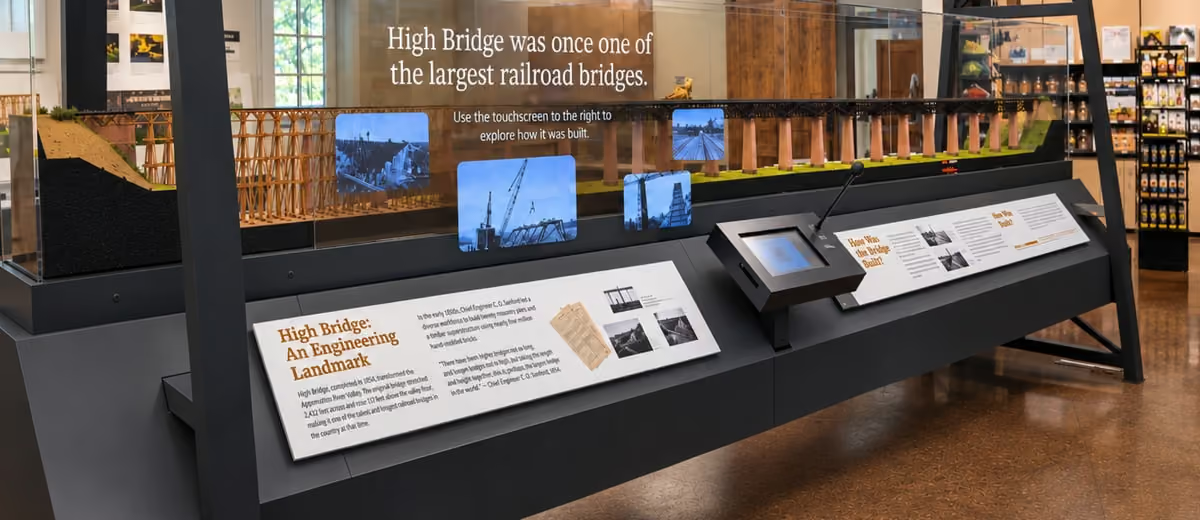
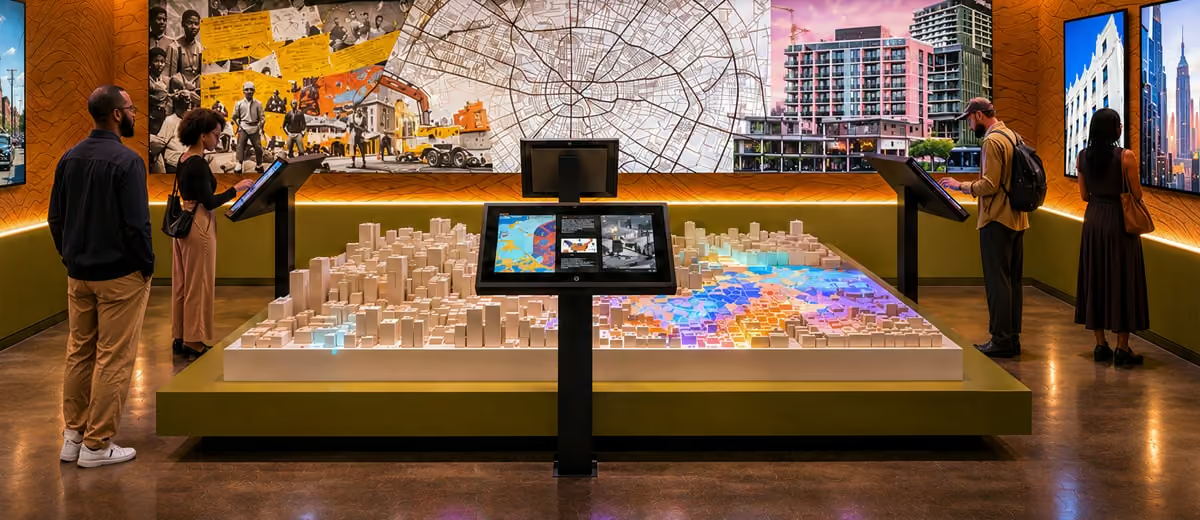
Comprehension and memory depend in part on connections to existing knowledge. We start with something recognizable, then help visitors connect it to a new idea. Placing a model beside its explanation, or inviting someone to describe what they notice, gives them ways to make those connections.
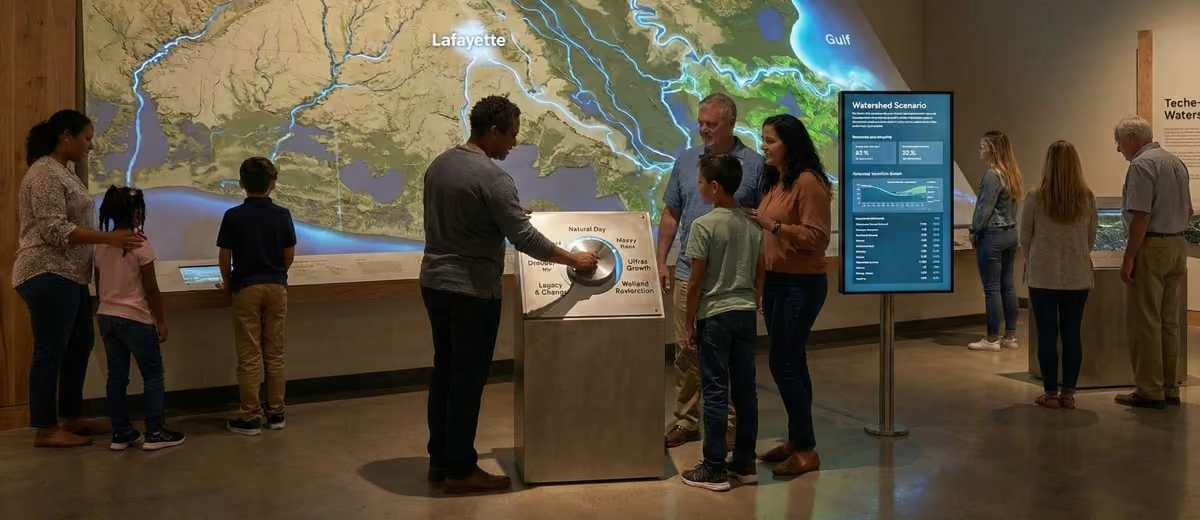
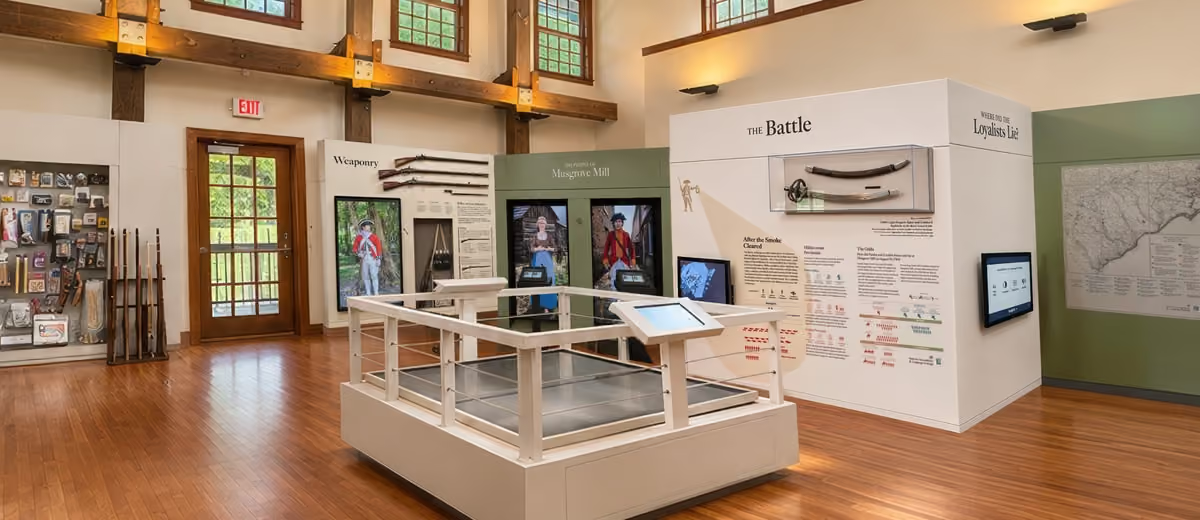
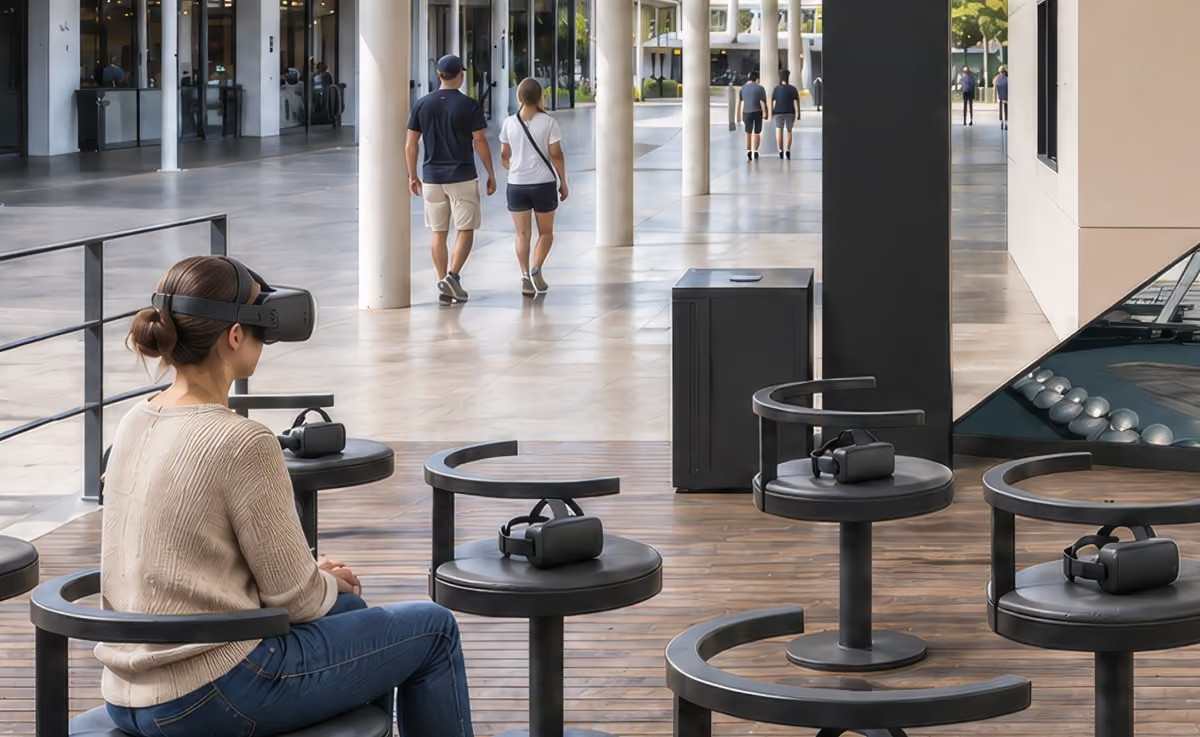
Motivation and choice matter too. We make the next action clear and offer meaningful ways to explore: follow a question, compare two perspectives or examine a detail. Visitors can choose a starting point and depth that fit their interests. These are research-informed design choices; their effect in a particular exhibit needs to be evaluated with its visitors.
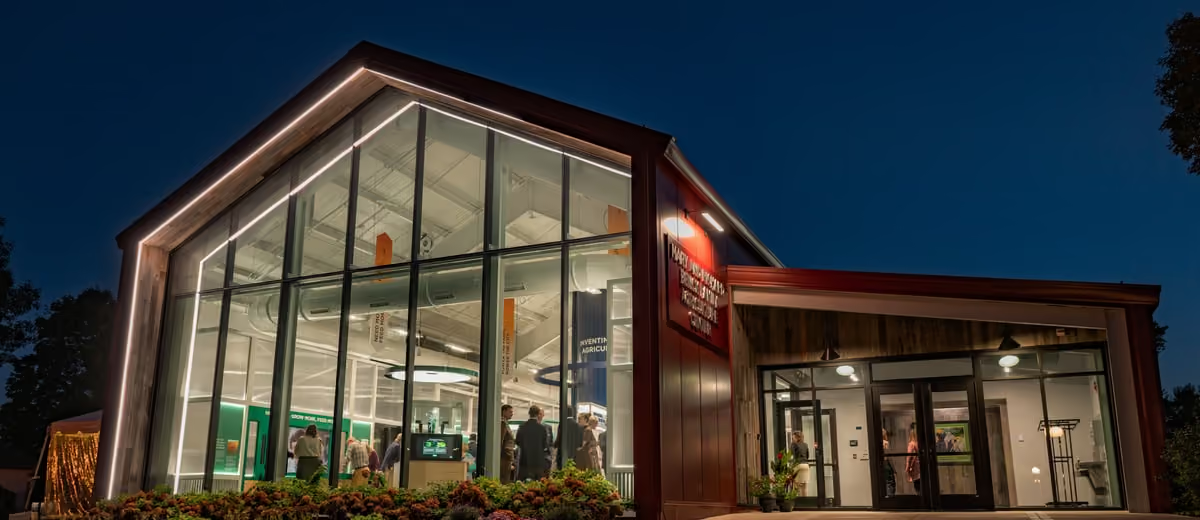
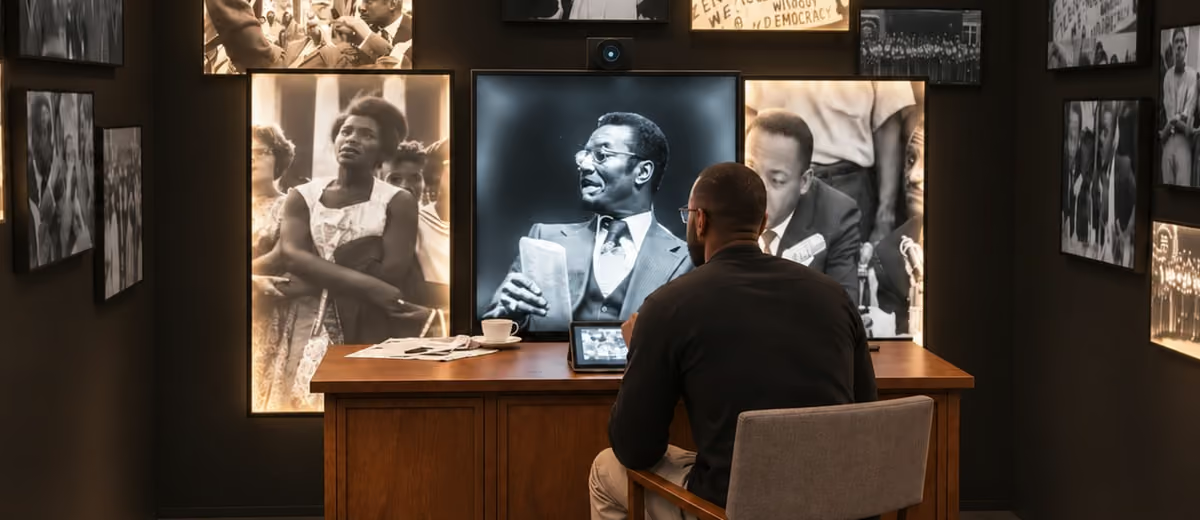
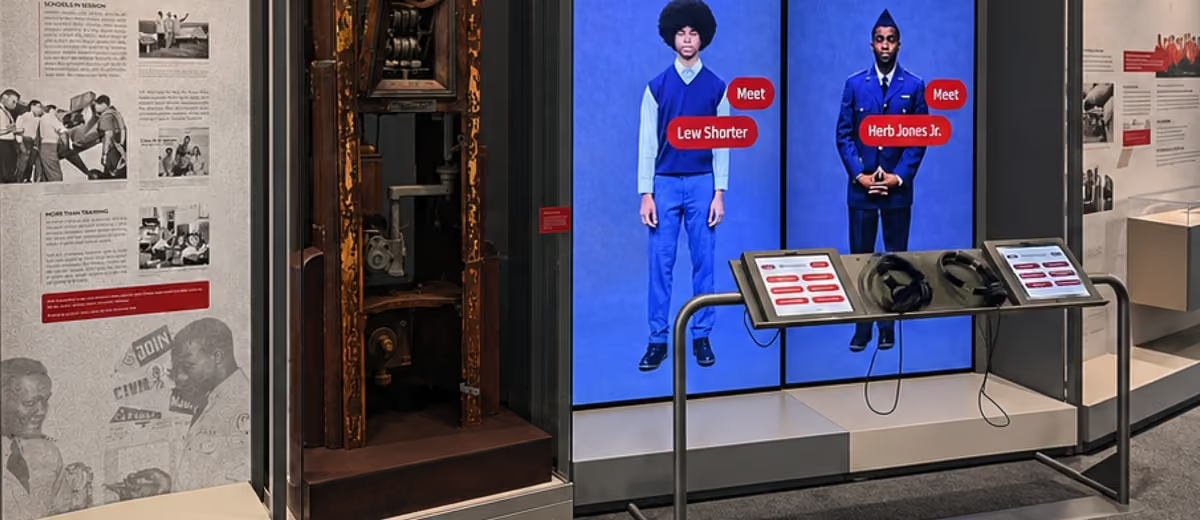
We also need to understand the people whose place and stories we are working with. Listening to a community can reveal a perspective that has been overlooked. What deserves attention, what needs care and what must the project honor to earn trust?
That is the basis of the personalized visitor experience: one shared story, with different ways to enter it and reasons to keep exploring.